Wed, Sep 30, 2026
[Archive]
Volume 3, Issue 2 (Winter 2025)
CPR 2025, 3(2): 97-106 |
Back to browse issues page


Download citation:
BibTeX | RIS | EndNote | Medlars | ProCite | Reference Manager | RefWorks
Send citation to:


BibTeX | RIS | EndNote | Medlars | ProCite | Reference Manager | RefWorks
Send citation to:
Rezaei Abhari F, Samadaee-Gelehkolaee K, Elyasi F, Pirasteh Far Z, Nikbakht R, Shabankhani B et al . Protocol of an Information-motivation-behavioral Skills Counseling Trial on Sexual Function and Anxiety in HPV-infected Women. CPR 2025; 3 (2) :97-106
URL: http://cpr.mazums.ac.ir/article-1-158-en.html
URL: http://cpr.mazums.ac.ir/article-1-158-en.html
Farideh Rezaei Abhari 

 , Keshvar Samadaee-Gelehkolaee , Forouzan Elyasi , Zanbagh Pirasteh Far , Roya Nikbakht , Bizhan Shabankhani , Nahid Fallah
, Keshvar Samadaee-Gelehkolaee , Forouzan Elyasi , Zanbagh Pirasteh Far , Roya Nikbakht , Bizhan Shabankhani , Nahid Fallah
Student Research Committee, School of Nursing and Midwifery, Mazandaran University of Medical Sciences, Sari, Iran.
Full-Text [PDF 699 kb]
(48 Downloads)
| Abstract (HTML) (149 Views)
Results
The intervention will be implemented through six online group counseling sessions, performed by a master’s degree student in midwifery counseling supervised by a specialist in sexual and reproductive health. Each session will last 60 minutes and will be held twice weekly. The content and structure of the sessions have been designed based on the constructs of the IMB model. To ensure content and face validity of the intervention protocol, it was first reviewed and approved by the research team. Subsequently, the protocol was sent to ten faculty members specializing in reproductive health at Mazandaran University of Medical Sciences, as well as two visiting professors from outside the university who were experts in sexual and reproductive health. Their feedback and recommendations were carefully incorporated into the final version of the protocol. At the outset, eligible participants will be contacted and informed about the study’s objectives. Those meeting the inclusion criteria will be randomly allocated to the intervention group based on the predetermined sample size. Following randomization, an SMS notification will be sent to each sample in the intervention group to coordinate the schedule and provide initial instructions. A Google Meet group will be created for online counseling. Participants will first receive an informed consent form electronically; after providing their signed consent, they will be given access to the baseline questionnaires and the session timetable. Members of the intervention group will be explicitly instructed not to share any information or content from the counseling sessions with others until the completion of all intervention sessions. Furthermore, a third-party evaluator will be appointedto ensure data integrity. This individual will be responsible for collecting completed questionnaires and entering the data into Excel software following the intervention period (Table 1).
.jpg)
The control group will also participate in a group setting via the Google Meet platform. They will receive the necessary explanations regarding informed consent and questionnaire completion. They will be assured that, after the intervention phase concludes, the same sessions—with identical content and structure—will be offered to them as well.
Protocol deviation
Protocol deviations or violations may occur during the study and will be documented. For individuals who withdraw from the research for any reason, the withdrawal cause will be recorded, and data analysis will be conducted based on the intention-to-treat principle.
Protocol modification
Any modification to study procedures that could affect its implementation, the potential benefits to participants, or their safety—including alterayions in research aims, sample size, population, design, methods, or major administrative aspects—will need submission of formal amendment documents approved by the research team and the university’s ethics committee.
Data analysis
Data analysis will be conducted using SPSS software, version 26. Descriptive statistics will summarize clinical and demographic variables. The Shapiro–Wilk test and Q–Q plots will assess normality w, and homogeneity of variances will be assessed by Levene’s test; in case of assumption violations, appropriate non-parametric alternatives will be applied. Changes in anxiety and sexual function between groups will be analyzed using independent t-tests or ANCOVA after adjusting for baseline values, and within-group alterations over time will be evaluated using repeated measures ANOVA, with Greenhouse–Geisser correction applied if sphericity is violated. Categorical variables will be compared between groups using the Fisher’s exact test or chi-square test, as appropriate. In cases where normality assumptions are violated, non-parametric tests, including the Friedman test or Wilcoxon signed-rank test for within-group comparisons and the Mann–Whitney U test for between-group comparisons will be applied. Adherence variables will be treated as quantitative and categorical measures and analyzed using descriptive statistics and appropriate group comparison tests.
Participant satisfaction will be evaluated using VAS scores and compared between groups. All analyses will be conducted based on the intention-to-treat principle. Missing data will be estimated using multiple imputation, and reasons for dropout will be recorded and analyzed. All statistical tests will be two-sided with 95% confidence intervals and a significance level of 0.05.
Discussion
This protocol describes a randomized controlled trial designed to evaluate the impact of the IMB model-based counselingon sexual function and anxiety among women with HPV infection. The IMB model is a well-established behavioral framework that emphasizes the central role of individual motivation, health-associated information, and behavioral skills in promoting sustainable behavior change, and its effectiveness has been demonstrated in various clinical and health-promotion contexts [29]. Given the high rate of sexual dysfunction and anxiety among women with HPV infection and the profound negative impact of these conditions on QoL, marital relationships, and sexual satisfaction, structured psychological interventions targeting these concerns are of substantial clinical importance [34]. Although different counseling approaches, such as EX-PLISSIT, BETTER, and CBT have previously been applied to sexual health problems, there remains a lack of structured, theory-driven interventions specifically based on the IMB model in women with HPV. This study is therefore designed to address an important gap in the existing literature by introducing a standardized, model-based counseling program specifically tailored to the psychological and sexual health requirements of this population.
Evidence from prior studies in other populations suggests that IMB-based interventions can successfully improve health-related knowledge, motivation, and safer behavioral practices, including in individuals affected by sexually transmitted infections [35]. However, to date, the application of this model in women with HPV infection has not been adequately explored. The present trial benefits from several methodological strengths, including its randomized controlled design, use of validated assessment instruments for anxiety and sexual function, structured intervention content based on a theoretical framework, and standardized data collection procedures. In addition, the use of online group counseling may increase accessibility, reduce stigma related to discussion of sexual issues, and improve participation rates, particularly within culturally sensitive settings.
At the same time, several anticipated limitations must be acknowledged at the protocol stage, including short length of follow-up, the relatively small sample size, reliance on self-report measures, and restriction of the study population to a single geographic region, which may limit the generalizability of the findings. Despite such limitations, it is expected this trial provides crucial preliminary evidence on the feasibility and possible effectiveness of IMB-based counseling for addressing anxiety and sexual dysfunction in women with HPV infection. The results, once available, may inform the development of future larger-scale and longer-term clinical trials and contribute to the integration of theory-based psychological interventions into routine care for this vulnerable population. Another important limitation is using self-reported questionnaires for assessing anxiety and sexual function. Given the sensitive nature of sexual and psychological issues, participants’ answers may be influenced by social desirability bias, potentially leading to underreporting or overreporting of symptoms. Although confidentiality and anonymity were emphasized, this bias cannot be completely eliminated and should be considered when interpreting the findings. Furthermore, participants will be recruited through convenience sampling from two hospitals located in the same geographic region. This approach may result in selection bias and restrict the generalizability of the findings to wider populations of women with HPV infection. Finally, the relatively brief five-week follow-up period after the intervention limits the assessment of the long-term durability of the counseling effects. Future research should incorporate longer follow-up periods, such as three or six months, to more effectively evaluate the persistence of the intervention outcomes.
Ethical Considerations
Compliance with ethical guidelines
This study was approved by the Ethics Committee of Mazandaran University of Medical Sciences, Sari, Iran (Code: IR.MAZUMS.REC.1403.398) and the trial was registered in the Iranian Registry of Clinical Trials (IRCT) (Code: IRCT20241219064099N1). Before participation, all subjects will receive complete information regarding the research aims, intervention procedures, and their rights, and written informed consent will be received. Participants will be assured that their involvement is entirely voluntary and that they may withdraw whenever they wish. All personal data and study results will remain strictly confidential and will be used solely for research aims. We also added a psychological support protocol, including immediate referral to a clinical psychologist if distress is detected and monitoring participants for exacerbation of anxiety symptoms.
Funding
This research did not receive any grant from funding agencies in the public, commercial, or non-profit sectors.
Authors' contributions
Conceptualization, study design, data collection, and writing the original draft: Keshvar Samadaee-Gelehkolaee; Supervision and methodology: Forouzan Elyasi; Data interpretation and statistical analysis: Farideh Rezaei Abhari and Bizhan Shabankhani: Investigation: Roya Nikbakht; Review and editing: Forouzan Elyasi, Roya Nikbakht, Nahid Fallah and Zanbagh Pirasteh.
Conflict of interest
The authors declared no conflict of interest.
Acknowledgments
The authors are gratitude to the Vice-Chancellor for Research and Technology of Mazandaran University of Medical Sciences for their valuable guidance and administrative support throughout this study. The authors acknowledge the contribution of the professors and specialists in sexual and reproductive health who reviewed and validated the intervention protocol and provided insightful feedback that strengthened the study design.
Full-Text: (37 Views)
Introduction
Human papillomavirus (HPV) infection is a very common sexually transmitted infections globally, and a large proportion of sexually active individuals need the virus at least one time during their lifetime [1]. The virus is transmitted mainly through skin-to-skin and mucosal contact, and in some individuals—particularly those with immunosuppression—it may persist and lead to serious complications, such as genital warts and precancerous cervical lesions [2–5]. Beyond its physical consequences, HPV infection has significant psychological effects. Awareness of infection is commonly associated with anxiety, depression, guilt, and shame, particularly among women and individuals in stable relationships, and can have negative effects on quality of life (QoL), psychological well-being, and body image [6, 7]. In addition, disease-related stigma and social isolation may further intensify psychological distress [8]. One of the most prominent psychological consequences of HPV infection is anxiety related to the risk of cancer, fear of virus transmission to sexual partners, and fear of rejection [9]. Anxiety is reported to be more severe among individuals with insufficient knowledge about HPV and its transmission routes. Infected women may also experience concerns about fertility, pregnancy outcomes, and potential effects on fetal health, which can result in avoidance behaviors, delayed medical follow-up, and reduced sexual and emotional intimacy [10]. Various pharmacological, educational, and counseling-based interventions have been shown to improve anxiety disorders and sexual dysfunction [11]. Several behavioral models, including the information–motivation–behavioral skills (IMB) model, the theory of planned behavior, and the health belief model, have been applied to promote positive health behaviors [12–14]. Among these models, the IMB model has been widely used to design interventions aimed at reducing high-risk behaviors, particularly in the context of HIV/AIDS prevention [15–17]. This model emphasizes the interaction of motivation, information, and behavioral skills as key determinants of health-related behavior alteration [18]. Its constructs are well aligned with the principles of sexual counseling and health promotion [19, 20], and acquiring appropriate information and behavioral skills can effectively enhance motivation for healthy behaviors [21]. Psychological factors, such as anxiety, fear, interpersonal difficulties, and sexual dysfunction may influence immune function and contribute to viral persistence. Since HPV persistence beyond two years is linked to an increase in the risk of malignancy, the integration of psychological interventions alongside medical management is of particular importance to improve patients’ adjustment, adherence to treatment, and overall well-being [22]. Therefore, selecting a structured, theory-based psychological intervention tailored to the needs of women with HPV infection is essential.
Counseling methods, such as EX-PLISSIT, BETTER, and cognitive–behavioral therapy (CBT) have been recommended in previous studies as effective approaches for improving sexual function and reducing psychological distress in different clinical populations [22–24]. However, despite their proven effectiveness, these interventions are not specifically designed to simultaneously target information deficits, motivational factors, and behavioral skills as an integrated framework for sustainable behavior change. To date, there is a lack of theory-based interventions based on the IMB model specifically conducted among women infected with HPV. At the same time, women with HPV represent a high-risk group for anxiety and sexual dysfunction, which can adversely affect their QoL, intimate relationships, and adherence to medical follow-up. Given the absence of a structured, standardized, and theory-driven psychological intervention tailored to this vulnerable population, there is a clear need for designing and evaluating an IMB-based counseling program. Therefore, the present randomized controlled trial investigated the impact of IMB model-based counseling on sexual function and anxiety in women with HPV infection.
Materials and Methods
Main objective
The primary objective of this study is to assess the impact of the IMB model-based counseling interventionon anxiety and sexual function in women infected with HPV.
Specific objectives
We also aimed to determine and compare the mean scores of sexual function and anxiety in women with HPV prior to the intervention, immediately following the intervention, and five weeks following the intervention in the intervention and control groups.
Study design
This randomized clinical trial has two parallel arms: intervention and control. Routine care and standard education for the control group consist of usual clinical counseling provided during outpatient visits, including brief verbal information about HPV infection, its transmission routes, follow-up recommendations, and distribution of an educational pamphlet. No structured counseling sessions or theory-based psychological interventions will be provided to the control group during the research.
Sample and sampling method
The research population includes all married women aged 20–50 years with confirmed HPV infection who attend Imam Khomeini Hospital and Shafa Hospital in Sari, Iran. Sampling will be conducted using a convenient and voluntary method. Eligible participants, following initial screening, will be randomly allocated to the control or intervention group in a single-blind manner using a computer-generated randomization list. Galeshi et al. reported that the mean anxiety score in the motivational counseling group was 21.64±3.91 prior to the intervention and 7.61±1.14 following the intervention, whereas the average anxiety scores in the controls were 21.74±2.7 before and 21.61±2.34 following the intervention, respectively. Based on these data, with a power of 0.90 and a significance level of 0.05, the required sample size was determined using SPSS software, version 25, resulting in 17 cases for each group. Given a possible dropout rate of 20%, 22 samples will be included in each group [25].
Inclusion criteria
Inclusion criteria are confirmed HPV diagnosis based on laboratory results, age between 20 and 50 years, being married and sexually active, ability to comprehend and respond to questionnaires, smartphone accessibility (for completing questionnaires and forms), availability during the research, no chronic physical diseases, no history of substance abuse or addiction, not being pregnant, and the absence of psychiatric disorders or use of psychotropic medications.
Exclusion criteria
Exclusion criteria were absence from more than two counseling sessions, unwillingness to continue participation after enrollment, presence of chronic systemic, psychiatric, or neurological disorders, HIV infection, hepatitis infection or carrier status, use of psychotropic medications, pregnancy or infertility, body mass index (BMI) above 30, premature menopause, pelvic surgery leading to sexual dysfunction, pelvic organ prolapse, use of medications affecting sexual function (e.g. antiarrhythmics, antihypertensives, psychotropic drugs), alcohol or drug use; erectile dysfunction in the partner, or dermatologic disorders affecting the genital area. The exclusion criteria were used to minimize potential confounding factors, as conditions, such as obesity, premature menopause, and pelvic disorders may independently influence anxiety levels and sexual function, thereby interfering with the accurate assessment of the intervention effect.
Primary outcome
Standardized tools used in this study include:
A socio-demographic questionnaire to collect information related to personal, reproductive, and sexual factors.
1) The spielberger state–trait anxiety inventory (stai) to evaluate trait and state anxiety; 2) The female sexual function index (FSFI) to assess female sexual function.
The socio-demographic and baseline clinical variables to be collected include age, educational level, occupation, duration of marriage, spouse’s educational level, spouse’s occupation, smoking status, socioeconomic status, BMI, contraceptive method, reproductive history (gravidity, parity, abortion history), menstrual status, history of infertility, duration since HPV diagnosis, type of HPV (high-risk/low-risk if available), previous history of sexually transmitted infections, history of cervical dysplasia or abnormal Pap smear, previous gynecological procedures, frequency of sexual intercourse, and baseline relationship satisfaction. These variables will be considered as potential covariates and confounding factors in the statistical analysis to improve baseline comparability and control for their possible influence on anxiety and sexual function outcomes.
The STAI is a self-report psychological inventory with 20 items related to anxiety [26]. Each item is scored on a 4-point Likert scale, with a total score ranging between 20 and 80. Higher scores indicate greater anxiety severity [26, 27]. Cronbach’s α coefficients for the trait and state subscales in the study by Mahram et al. were 0.9 and 0.91, respectively [27].
The FSFI has 19 items covering six dimensions: sexual desire, lubrication, satisfaction, arousal, pain during intercourse, and orgasm [28]. The total score is between 2 and 36, with scores below 26.55 demonstrating female sexual dysfunction [29]. Cronbach’s α coefficients for this scale are ≥0.8, confirming satisfactory reliability and validity. The Persian version of the FSFI has demonstrated acceptable validity and reliability [30].
The socio-demographic questionnaire includes information related to personal, reproductive, and sexual factors. Its content validity will be approved by experts from Mazandaran University of Medical Sciences specializing in psychiatry, reproductive health, and midwifery. Outcome measures will be assessed at three time points: At baseline (prior to the intervention), immediately following the counseling sessions, and five weeks following the intervention.
Secondary outcomes
Secondary outcomes include assessing adherence to the intervention and participants’ satisfaction with the IMB-based counseling four weeks following the intervention in the intervention group. Adherence to the treatment or intervention is considered the extent to which a participant’s behavior, medication intake, dietary compliance, or lifestyle changes correspond to agreed suggestions from a healthcare provider [31]. In this study, adherence will be evaluated using three indicators: 1) the average number of IMB-based counseling sessions attended; 2) the number of cases completing homework assignments; and 3) the number of cases who fully answered the questionnaires [32]. Satisfaction with the intervention will be assessed using a visual analogue scale (VAS). Participants in the intervention group will rate their satisfaction with IMB-based counseling sessions on a scale from zero (“not satisfied at all”) to ten (“extremely satisfied”). Scores will be qualitatively interpreted as follows: Low satisfaction (1-3), moderate satisfaction (4-7), and high satisfaction (8-10) [33].
Data management
All participants will sign a written informed consent form. Confidentiality will be maintained by collecting and storing data anonymously and coding participant identifiers. Missing values will be estimated using the multiple imputation method. The intention-to-treat principle will be followed for data analysis. The subkects will be assured that refusal or withdrawal from the study will not affect their access to medical care. To ensure privacy, counseling sessions will be conducted online without video, and participants may use pseudonyms if they wish.
Randomization
Eligible subjects will be randomly assigned to two groups of 22 participants each: The intervention group (receiving IMB-based online counseling) and the control group (receiving routine education). To ensure baseline comparability between groups and minimize the risk of imbalance in important prognostic variables, stratified block randomization will be used. Participants will be stratified based on age (20–35 and 36–50 years), given the known effect of age on anxiety and sexual function outcomes. Within each stratum, block randomization with different block sizes of 4 and 6 will be conducted via a computer-generated random allocation sequence prepared by a statistical consultant. Allocation concealment will be maintained using sequentially sealed, numbered, opaque envelopes containing the group assignments. Upon enrollment and confirmation of eligibility, each participant will be assigned according to the next available envelope within her corresponding age stratum. Recruitment will continue until all 44 participants are enrolled.
Blinding
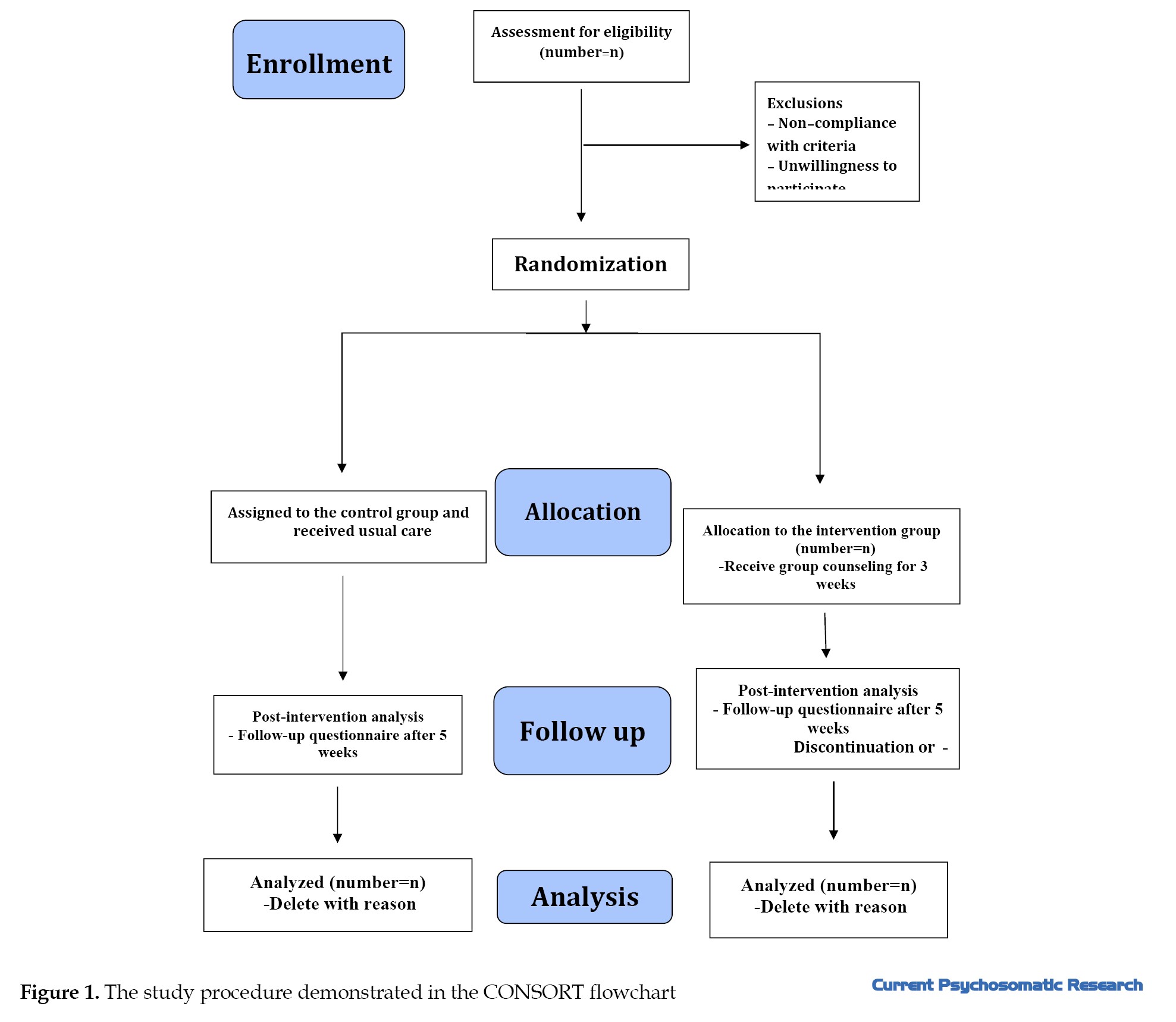
Participant blinding is not possible due to the intervention nature. Thus, blinding will be implemented at the level of data assessors and statisticians. After the intervention, a research assistant will administer online questionnaires to subjects in both groups. Upon completion, data will be entered into Excel by an independent individual not involved in the research team. Group data will then be coded, followed by sending to a statistician for analysis. Figure 1 shows the study procedure.
Human papillomavirus (HPV) infection is a very common sexually transmitted infections globally, and a large proportion of sexually active individuals need the virus at least one time during their lifetime [1]. The virus is transmitted mainly through skin-to-skin and mucosal contact, and in some individuals—particularly those with immunosuppression—it may persist and lead to serious complications, such as genital warts and precancerous cervical lesions [2–5]. Beyond its physical consequences, HPV infection has significant psychological effects. Awareness of infection is commonly associated with anxiety, depression, guilt, and shame, particularly among women and individuals in stable relationships, and can have negative effects on quality of life (QoL), psychological well-being, and body image [6, 7]. In addition, disease-related stigma and social isolation may further intensify psychological distress [8]. One of the most prominent psychological consequences of HPV infection is anxiety related to the risk of cancer, fear of virus transmission to sexual partners, and fear of rejection [9]. Anxiety is reported to be more severe among individuals with insufficient knowledge about HPV and its transmission routes. Infected women may also experience concerns about fertility, pregnancy outcomes, and potential effects on fetal health, which can result in avoidance behaviors, delayed medical follow-up, and reduced sexual and emotional intimacy [10]. Various pharmacological, educational, and counseling-based interventions have been shown to improve anxiety disorders and sexual dysfunction [11]. Several behavioral models, including the information–motivation–behavioral skills (IMB) model, the theory of planned behavior, and the health belief model, have been applied to promote positive health behaviors [12–14]. Among these models, the IMB model has been widely used to design interventions aimed at reducing high-risk behaviors, particularly in the context of HIV/AIDS prevention [15–17]. This model emphasizes the interaction of motivation, information, and behavioral skills as key determinants of health-related behavior alteration [18]. Its constructs are well aligned with the principles of sexual counseling and health promotion [19, 20], and acquiring appropriate information and behavioral skills can effectively enhance motivation for healthy behaviors [21]. Psychological factors, such as anxiety, fear, interpersonal difficulties, and sexual dysfunction may influence immune function and contribute to viral persistence. Since HPV persistence beyond two years is linked to an increase in the risk of malignancy, the integration of psychological interventions alongside medical management is of particular importance to improve patients’ adjustment, adherence to treatment, and overall well-being [22]. Therefore, selecting a structured, theory-based psychological intervention tailored to the needs of women with HPV infection is essential.
Counseling methods, such as EX-PLISSIT, BETTER, and cognitive–behavioral therapy (CBT) have been recommended in previous studies as effective approaches for improving sexual function and reducing psychological distress in different clinical populations [22–24]. However, despite their proven effectiveness, these interventions are not specifically designed to simultaneously target information deficits, motivational factors, and behavioral skills as an integrated framework for sustainable behavior change. To date, there is a lack of theory-based interventions based on the IMB model specifically conducted among women infected with HPV. At the same time, women with HPV represent a high-risk group for anxiety and sexual dysfunction, which can adversely affect their QoL, intimate relationships, and adherence to medical follow-up. Given the absence of a structured, standardized, and theory-driven psychological intervention tailored to this vulnerable population, there is a clear need for designing and evaluating an IMB-based counseling program. Therefore, the present randomized controlled trial investigated the impact of IMB model-based counseling on sexual function and anxiety in women with HPV infection.
Materials and Methods
Main objective
The primary objective of this study is to assess the impact of the IMB model-based counseling interventionon anxiety and sexual function in women infected with HPV.
Specific objectives
We also aimed to determine and compare the mean scores of sexual function and anxiety in women with HPV prior to the intervention, immediately following the intervention, and five weeks following the intervention in the intervention and control groups.
Study design
This randomized clinical trial has two parallel arms: intervention and control. Routine care and standard education for the control group consist of usual clinical counseling provided during outpatient visits, including brief verbal information about HPV infection, its transmission routes, follow-up recommendations, and distribution of an educational pamphlet. No structured counseling sessions or theory-based psychological interventions will be provided to the control group during the research.
Sample and sampling method
The research population includes all married women aged 20–50 years with confirmed HPV infection who attend Imam Khomeini Hospital and Shafa Hospital in Sari, Iran. Sampling will be conducted using a convenient and voluntary method. Eligible participants, following initial screening, will be randomly allocated to the control or intervention group in a single-blind manner using a computer-generated randomization list. Galeshi et al. reported that the mean anxiety score in the motivational counseling group was 21.64±3.91 prior to the intervention and 7.61±1.14 following the intervention, whereas the average anxiety scores in the controls were 21.74±2.7 before and 21.61±2.34 following the intervention, respectively. Based on these data, with a power of 0.90 and a significance level of 0.05, the required sample size was determined using SPSS software, version 25, resulting in 17 cases for each group. Given a possible dropout rate of 20%, 22 samples will be included in each group [25].
Inclusion criteria
Inclusion criteria are confirmed HPV diagnosis based on laboratory results, age between 20 and 50 years, being married and sexually active, ability to comprehend and respond to questionnaires, smartphone accessibility (for completing questionnaires and forms), availability during the research, no chronic physical diseases, no history of substance abuse or addiction, not being pregnant, and the absence of psychiatric disorders or use of psychotropic medications.
Exclusion criteria
Exclusion criteria were absence from more than two counseling sessions, unwillingness to continue participation after enrollment, presence of chronic systemic, psychiatric, or neurological disorders, HIV infection, hepatitis infection or carrier status, use of psychotropic medications, pregnancy or infertility, body mass index (BMI) above 30, premature menopause, pelvic surgery leading to sexual dysfunction, pelvic organ prolapse, use of medications affecting sexual function (e.g. antiarrhythmics, antihypertensives, psychotropic drugs), alcohol or drug use; erectile dysfunction in the partner, or dermatologic disorders affecting the genital area. The exclusion criteria were used to minimize potential confounding factors, as conditions, such as obesity, premature menopause, and pelvic disorders may independently influence anxiety levels and sexual function, thereby interfering with the accurate assessment of the intervention effect.
Primary outcome
Standardized tools used in this study include:
A socio-demographic questionnaire to collect information related to personal, reproductive, and sexual factors.
1) The spielberger state–trait anxiety inventory (stai) to evaluate trait and state anxiety; 2) The female sexual function index (FSFI) to assess female sexual function.
The socio-demographic and baseline clinical variables to be collected include age, educational level, occupation, duration of marriage, spouse’s educational level, spouse’s occupation, smoking status, socioeconomic status, BMI, contraceptive method, reproductive history (gravidity, parity, abortion history), menstrual status, history of infertility, duration since HPV diagnosis, type of HPV (high-risk/low-risk if available), previous history of sexually transmitted infections, history of cervical dysplasia or abnormal Pap smear, previous gynecological procedures, frequency of sexual intercourse, and baseline relationship satisfaction. These variables will be considered as potential covariates and confounding factors in the statistical analysis to improve baseline comparability and control for their possible influence on anxiety and sexual function outcomes.
The STAI is a self-report psychological inventory with 20 items related to anxiety [26]. Each item is scored on a 4-point Likert scale, with a total score ranging between 20 and 80. Higher scores indicate greater anxiety severity [26, 27]. Cronbach’s α coefficients for the trait and state subscales in the study by Mahram et al. were 0.9 and 0.91, respectively [27].
The FSFI has 19 items covering six dimensions: sexual desire, lubrication, satisfaction, arousal, pain during intercourse, and orgasm [28]. The total score is between 2 and 36, with scores below 26.55 demonstrating female sexual dysfunction [29]. Cronbach’s α coefficients for this scale are ≥0.8, confirming satisfactory reliability and validity. The Persian version of the FSFI has demonstrated acceptable validity and reliability [30].
The socio-demographic questionnaire includes information related to personal, reproductive, and sexual factors. Its content validity will be approved by experts from Mazandaran University of Medical Sciences specializing in psychiatry, reproductive health, and midwifery. Outcome measures will be assessed at three time points: At baseline (prior to the intervention), immediately following the counseling sessions, and five weeks following the intervention.
Secondary outcomes
Secondary outcomes include assessing adherence to the intervention and participants’ satisfaction with the IMB-based counseling four weeks following the intervention in the intervention group. Adherence to the treatment or intervention is considered the extent to which a participant’s behavior, medication intake, dietary compliance, or lifestyle changes correspond to agreed suggestions from a healthcare provider [31]. In this study, adherence will be evaluated using three indicators: 1) the average number of IMB-based counseling sessions attended; 2) the number of cases completing homework assignments; and 3) the number of cases who fully answered the questionnaires [32]. Satisfaction with the intervention will be assessed using a visual analogue scale (VAS). Participants in the intervention group will rate their satisfaction with IMB-based counseling sessions on a scale from zero (“not satisfied at all”) to ten (“extremely satisfied”). Scores will be qualitatively interpreted as follows: Low satisfaction (1-3), moderate satisfaction (4-7), and high satisfaction (8-10) [33].
Data management
All participants will sign a written informed consent form. Confidentiality will be maintained by collecting and storing data anonymously and coding participant identifiers. Missing values will be estimated using the multiple imputation method. The intention-to-treat principle will be followed for data analysis. The subkects will be assured that refusal or withdrawal from the study will not affect their access to medical care. To ensure privacy, counseling sessions will be conducted online without video, and participants may use pseudonyms if they wish.
Randomization
Eligible subjects will be randomly assigned to two groups of 22 participants each: The intervention group (receiving IMB-based online counseling) and the control group (receiving routine education). To ensure baseline comparability between groups and minimize the risk of imbalance in important prognostic variables, stratified block randomization will be used. Participants will be stratified based on age (20–35 and 36–50 years), given the known effect of age on anxiety and sexual function outcomes. Within each stratum, block randomization with different block sizes of 4 and 6 will be conducted via a computer-generated random allocation sequence prepared by a statistical consultant. Allocation concealment will be maintained using sequentially sealed, numbered, opaque envelopes containing the group assignments. Upon enrollment and confirmation of eligibility, each participant will be assigned according to the next available envelope within her corresponding age stratum. Recruitment will continue until all 44 participants are enrolled.
Blinding
Participant blinding is not possible due to the intervention nature. Thus, blinding will be implemented at the level of data assessors and statisticians. After the intervention, a research assistant will administer online questionnaires to subjects in both groups. Upon completion, data will be entered into Excel by an independent individual not involved in the research team. Group data will then be coded, followed by sending to a statistician for analysis. Figure 1 shows the study procedure.
Results
The intervention will be implemented through six online group counseling sessions, performed by a master’s degree student in midwifery counseling supervised by a specialist in sexual and reproductive health. Each session will last 60 minutes and will be held twice weekly. The content and structure of the sessions have been designed based on the constructs of the IMB model. To ensure content and face validity of the intervention protocol, it was first reviewed and approved by the research team. Subsequently, the protocol was sent to ten faculty members specializing in reproductive health at Mazandaran University of Medical Sciences, as well as two visiting professors from outside the university who were experts in sexual and reproductive health. Their feedback and recommendations were carefully incorporated into the final version of the protocol. At the outset, eligible participants will be contacted and informed about the study’s objectives. Those meeting the inclusion criteria will be randomly allocated to the intervention group based on the predetermined sample size. Following randomization, an SMS notification will be sent to each sample in the intervention group to coordinate the schedule and provide initial instructions. A Google Meet group will be created for online counseling. Participants will first receive an informed consent form electronically; after providing their signed consent, they will be given access to the baseline questionnaires and the session timetable. Members of the intervention group will be explicitly instructed not to share any information or content from the counseling sessions with others until the completion of all intervention sessions. Furthermore, a third-party evaluator will be appointedto ensure data integrity. This individual will be responsible for collecting completed questionnaires and entering the data into Excel software following the intervention period (Table 1).
The control group will also participate in a group setting via the Google Meet platform. They will receive the necessary explanations regarding informed consent and questionnaire completion. They will be assured that, after the intervention phase concludes, the same sessions—with identical content and structure—will be offered to them as well.
Protocol deviation
Protocol deviations or violations may occur during the study and will be documented. For individuals who withdraw from the research for any reason, the withdrawal cause will be recorded, and data analysis will be conducted based on the intention-to-treat principle.
Protocol modification
Any modification to study procedures that could affect its implementation, the potential benefits to participants, or their safety—including alterayions in research aims, sample size, population, design, methods, or major administrative aspects—will need submission of formal amendment documents approved by the research team and the university’s ethics committee.
Data analysis
Data analysis will be conducted using SPSS software, version 26. Descriptive statistics will summarize clinical and demographic variables. The Shapiro–Wilk test and Q–Q plots will assess normality w, and homogeneity of variances will be assessed by Levene’s test; in case of assumption violations, appropriate non-parametric alternatives will be applied. Changes in anxiety and sexual function between groups will be analyzed using independent t-tests or ANCOVA after adjusting for baseline values, and within-group alterations over time will be evaluated using repeated measures ANOVA, with Greenhouse–Geisser correction applied if sphericity is violated. Categorical variables will be compared between groups using the Fisher’s exact test or chi-square test, as appropriate. In cases where normality assumptions are violated, non-parametric tests, including the Friedman test or Wilcoxon signed-rank test for within-group comparisons and the Mann–Whitney U test for between-group comparisons will be applied. Adherence variables will be treated as quantitative and categorical measures and analyzed using descriptive statistics and appropriate group comparison tests.
Participant satisfaction will be evaluated using VAS scores and compared between groups. All analyses will be conducted based on the intention-to-treat principle. Missing data will be estimated using multiple imputation, and reasons for dropout will be recorded and analyzed. All statistical tests will be two-sided with 95% confidence intervals and a significance level of 0.05.
Discussion
This protocol describes a randomized controlled trial designed to evaluate the impact of the IMB model-based counselingon sexual function and anxiety among women with HPV infection. The IMB model is a well-established behavioral framework that emphasizes the central role of individual motivation, health-associated information, and behavioral skills in promoting sustainable behavior change, and its effectiveness has been demonstrated in various clinical and health-promotion contexts [29]. Given the high rate of sexual dysfunction and anxiety among women with HPV infection and the profound negative impact of these conditions on QoL, marital relationships, and sexual satisfaction, structured psychological interventions targeting these concerns are of substantial clinical importance [34]. Although different counseling approaches, such as EX-PLISSIT, BETTER, and CBT have previously been applied to sexual health problems, there remains a lack of structured, theory-driven interventions specifically based on the IMB model in women with HPV. This study is therefore designed to address an important gap in the existing literature by introducing a standardized, model-based counseling program specifically tailored to the psychological and sexual health requirements of this population.
Evidence from prior studies in other populations suggests that IMB-based interventions can successfully improve health-related knowledge, motivation, and safer behavioral practices, including in individuals affected by sexually transmitted infections [35]. However, to date, the application of this model in women with HPV infection has not been adequately explored. The present trial benefits from several methodological strengths, including its randomized controlled design, use of validated assessment instruments for anxiety and sexual function, structured intervention content based on a theoretical framework, and standardized data collection procedures. In addition, the use of online group counseling may increase accessibility, reduce stigma related to discussion of sexual issues, and improve participation rates, particularly within culturally sensitive settings.
At the same time, several anticipated limitations must be acknowledged at the protocol stage, including short length of follow-up, the relatively small sample size, reliance on self-report measures, and restriction of the study population to a single geographic region, which may limit the generalizability of the findings. Despite such limitations, it is expected this trial provides crucial preliminary evidence on the feasibility and possible effectiveness of IMB-based counseling for addressing anxiety and sexual dysfunction in women with HPV infection. The results, once available, may inform the development of future larger-scale and longer-term clinical trials and contribute to the integration of theory-based psychological interventions into routine care for this vulnerable population. Another important limitation is using self-reported questionnaires for assessing anxiety and sexual function. Given the sensitive nature of sexual and psychological issues, participants’ answers may be influenced by social desirability bias, potentially leading to underreporting or overreporting of symptoms. Although confidentiality and anonymity were emphasized, this bias cannot be completely eliminated and should be considered when interpreting the findings. Furthermore, participants will be recruited through convenience sampling from two hospitals located in the same geographic region. This approach may result in selection bias and restrict the generalizability of the findings to wider populations of women with HPV infection. Finally, the relatively brief five-week follow-up period after the intervention limits the assessment of the long-term durability of the counseling effects. Future research should incorporate longer follow-up periods, such as three or six months, to more effectively evaluate the persistence of the intervention outcomes.
Ethical Considerations
Compliance with ethical guidelines
This study was approved by the Ethics Committee of Mazandaran University of Medical Sciences, Sari, Iran (Code: IR.MAZUMS.REC.1403.398) and the trial was registered in the Iranian Registry of Clinical Trials (IRCT) (Code: IRCT20241219064099N1). Before participation, all subjects will receive complete information regarding the research aims, intervention procedures, and their rights, and written informed consent will be received. Participants will be assured that their involvement is entirely voluntary and that they may withdraw whenever they wish. All personal data and study results will remain strictly confidential and will be used solely for research aims. We also added a psychological support protocol, including immediate referral to a clinical psychologist if distress is detected and monitoring participants for exacerbation of anxiety symptoms.
Funding
This research did not receive any grant from funding agencies in the public, commercial, or non-profit sectors.
Authors' contributions
Conceptualization, study design, data collection, and writing the original draft: Keshvar Samadaee-Gelehkolaee; Supervision and methodology: Forouzan Elyasi; Data interpretation and statistical analysis: Farideh Rezaei Abhari and Bizhan Shabankhani: Investigation: Roya Nikbakht; Review and editing: Forouzan Elyasi, Roya Nikbakht, Nahid Fallah and Zanbagh Pirasteh.
Conflict of interest
The authors declared no conflict of interest.
Acknowledgments
The authors are gratitude to the Vice-Chancellor for Research and Technology of Mazandaran University of Medical Sciences for their valuable guidance and administrative support throughout this study. The authors acknowledge the contribution of the professors and specialists in sexual and reproductive health who reviewed and validated the intervention protocol and provided insightful feedback that strengthened the study design.
References
- Min KJ, Kwon SH, Kim S, Kim HJ, Seong SJ, Song YJ, et al. Preventive vaccination against cervical cancer: Korean Society of Gynecologic Oncology Guideline. J Gynecol Oncol. 2016; 27(3):e30. [DOI:10.3802/jgo.2016.27.e30] [PMID] [PMCID]
- Forman D, de Martel C, Lacey CJ, Soerjomataram I, Lortet-Tieulent J, Bruni L, et al. Global burden of human papillomavirus and related diseases. Vaccine. 2012; 30:F12-23. [DOI:10.1016/j.vaccine.2012.07.055] [PMID]
- Vinodhini K, Shanmughapriya S, Das BC, Natarajaseenivasan K. Prevalence and risk factors of HPV infection among women from various provinces of the world. Arch Gynecol Obstet. 2012; 285(3):771-7. [DOI:10.1007/s00404-011-2155-8] [PMID]
- Kudela E, Kudelova E, Kozubík E, Rokos T, Pribulova T, Holubekova V, Biringer K. HPV-associated breast cancer: Myth or fact? Pathogens. 2022; 11(12):1510. [DOI:10.3390/pathogens11121510] [PMID] [PMCID]
- Ribeiro AA, Costa MC, Alves RRF, Villa LL, Saddi VA, Carneiro MAdS, et al. HPV infection and cervical neoplasia: Associated risk factors. Infect Agent Cancer. 2015; 10(1):16. [DOI:10.1186/s13027-015-0011-3] [PMID] [PMCID]
- O’Donnell N, Waller J, Marlow L, Anderson NC, McBride E. “Knowing that I had HPV, I literally just shut down”: A qualitative exploration of the psychosocial impact of human papillomavirus (HPV) in women living with mental health conditions. Br J Health Psychol. 2024; 29(1):80-94. [DOI:10.1111/bjhp.12688] [PMID]
- Lugović-Mihić L, Cvitanović H, Djaković I, Kuna M, Šešerko A. The influence of psychological stress on HPV infection manifestations and carcinogenesis. Cell Physiol Biochem. 2021; 55(S2):71-88. [DOI:10.33594/000000395]
- Ginjupalli R, Mundaden R, Choi Y, Herfel E, Oketch SY, Watt MH, et al. Developing a framework to describe stigma related to cervical cancer and HPV in western Kenya. BMC Women’s Health. 2022; 22(1):39. [DOI:10.1186/s12905-022-01619-y] [PMID] [PMCID]
- Marlow LAV, McBride E, Ridout D, Forster AS, Kitchener H, Waller J. Patterns of anxiety and distress over 12 months following participation in HPV primary screening. Sex Transmitted Infect. 2022; 98(4):255-61. [DOI:10.1136/sextrans-2020-054780] [PMID] [PMCID]
- Chabakeswar F, Ziapour A, Yousefi Labani J. [Topics in the theories and models of health education and health promotion (Persian)]. Tehran: Jame’e-Negar. 2009.
- Glanz K, Rimer BK, Viswanath K. Health behavior and health education: Theory, research, and practice. Hoboken: John Wiley & Sons; 2008. [Link]
- Limbu YB, Gautam RK, Pham L. The health belief model applied to COVID-19 vaccine hesitancy: A systematic review. Vaccines. 2022; 10(6):973. [DOI:10.3390/vaccines10060973] [PMID] [PMCID]
- Shah SFA, Ginossar T, Bentley JM, Zimet G, McGrail JP. Using the theory of planned behavior to identify correlates of HPV vaccination uptake among college students attending a rural university in Alabama. Vaccine. 2021; 39(51):7421-8. [DOI:10.1016/j.vaccine.2021.10.082] [PMID] [PMCID]
- Si M, Jiang Y, Su X, Wang W, Zhang X, Gu X, et al. Willingness to accept human papillomavirus vaccination and its influencing factors using information-motivation-behavior skills model: A cross-sectional study of female college freshmen in mainland China. Cancer Control. 2021; 28:10732748211032899. [DOI:10.1177/10732748211032899] [PMID] [PMCID]
- Samadaee Gelehkolaee K, Maasoumi R, Azin SA, Nedjat S, Parto M, Zamani Hajiabadi I. Stakeholders’ perspectives of comprehensive sexuality education in Iranian male adolescences. Reproduct Health. 2021; 18:1-13. [DOI:10.1186/s12978-021-01084-0] [PMID] [PMCID]
- Si M, Su X, Jiang Y, Wang W, Zhang X, Gu X, et al. An internet-based education program for human papillomavirus vaccination among female college students in mainland china: Application of the information-motivation-behavioral skills model in a cluster randomized trial. J Med Internet Res. 2022; 24(9):e37848. [DOI:10.2196/37848] [PMID] [PMCID]
- Ameri M, Movahed E, Farokhzadian J. Effect of information, motivation, and behavioral skills model on adherence to medication, diet, and physical activity in HIV/ADIS patients: A health promotion strategy. J Educ Health Promot. 2020; 9(1):317. [DOI:10.4103/jehp.jehp_188_20] [PMID] [PMCID]
- Bian C, Xu S, Wang H, Li N, Wu J, Zhao Y, et al. A study on the application of the information-motivation-behavioral skills (IMB) model on rational drug use behavior among second-level hospital outpatients in Anhui, China. Plos One. 2015; 10(8):e0135782. [DOI:10.1371/journal.pone.0135782] [PMID] [PMCID]
- Ghafoori F, Bagheri M, Dehghan-Nayeri N, Khakbazan Z, Haghani H, Hedayatnejad M, et al. Effectiveness of sexual counseling using BETTER model to promote sexual function and satisfaction of married women with multiple sclerosis. Sex Disabil. 2022; 40(3):471-86. [DOI:10.1007/s11195-022-09746-y]
- Ziaei T, Kharaghani R, Haseli A, Ahmadnia E. Comparing the effect of extended PLISSIT model and group counseling on sexual function and satisfaction of pregnant women: a randomized clinical trial. J Caring Sci. 2022; 11(1):7. [DOI:10.34172/jcs.2022.06] [PMID] [PMCID]
- Chang SJ, Choi S, Kim S-A, Song M. Intervention strategies based on information-motivation-behavioral skills model for health behavior change: A systematic review. Asian Nurs Res. 2014; 8(3):172-81. [DOI:10.1016/j.anr.2014.08.002]
- Hamzehgardeshi Z, Jahanfar S, Khani S, Elyasi F, Behnampour N, Mohammadi KM, et al. Relationship between psychological disorders and persistence of human papillomavirus infection: A scoping review. Curr Psychosom Res. 2023; 1(3):266-87. [DOI:10.32598/cpr.1.3.131.1]
- Hamzehgardashi Z, Keshavarz Z, Fakhri M, Nasiri M, Hoseinnezhad SZ, Shasti L. A systematic review on interventions affecting parents’ knowledge and attitudes about HPV vaccine. Tabari Biomed Stud Res J. 2022; 4(4):36-47. [DOI:10.32598/tbsrj.v4i4.10521]
- Mojarad FA, Khani S, Aliabadian A, Purbarar F, Yaghoubi T. The exploration of life experience of married people with genital warts: A qualitative study. J Nurs Midwifery Sci. 2022; 9(2):96-104. [DOI:10.4103/jnms.jnms_29_21] [PMID]
- Galeshi M, Shirafkan H, Yazdani S, Motaghi Z. Effectiveness of motivational interview on psychological distress of women with human papilloma virus: A randomized clinical trial. BMC Women Health. 2025; 25(1):1-8. [DOI:10.1186/s12905-025-03595-5] [PMID] [PMCID]
- Spielberger CD, Gonzalez-Reigosa F, Martinez-Urrutia A, Natalicio LF, Natalicio DS. The state-trait anxiety inventory. Rev Interamericana Psicologia Inter Am J Psychol. 1971; 5(3 & 4):1. [Link]
- Mahram B. Standardization speilberger state-trait anxiety inventory in Mashad city (Iran) (Persian) [master thsis]. Tehran: Allame Tabatabayee University; 1993. [Link]
- Rosen R, Brown C, Heiman J, Leiblum S, Meston C, Shabsigh R, Ferguson D, D'Agostino R Jr. The female sexual function index (FSFI): A multidimensional self-report instrument for the assessment of female sexual function. J Sex Marital Ther. 2000; 26(2):191-208. [DOI:10.1080/009262300278597] [PMID]
- Pakpour AH, Yekaninejad MS, Zeidi IM, Burri A. Prevalence and risk factors of the female sexual dysfunction in a sample of infertile Iranian women. Arch Gynecol Obstet. 2012; 286(6):1589-96. [DOI:10.1007/s00404-012-2489-x] [PMID]
- Fakhri A, Pakpour AH, Burri A, Morshedi H, Zeidi IM. The female sexual function index: Translation and validation of an Iranian version. J Sex Med. 2012; 9(2):514-23. [DOI:10.1111/j.1743-6109.2011.02553.x] [PMID]
- Beerse ME, Van Lith T, Pickett SM, Stanwood GD. Biobehavioral utility of mindfulness-based art therapy: Neurobiological underpinnings and mental health impacts. Experiment Biol Med. 2020; 245(2):122-30. [DOI:10.1177/1535370219883634] [PMID] [PMCID]
- Vatandoust S, Mohammadi N, Farahani M, Mehran A. The efficacy of education film on quality of life and satisfaction in patient with tracheostomy. J Arak Univ Med Sci. 2015; 17(11):80-7. [Link]
- Voutilainen A, Pitkäaho T, Kvist T, Vehviläinen-Julkunen K. How to ask about patient satisfaction? The visual analogue scale is less vulnerable to confounding factors and ceiling effect than a symmetric Likert scale. J Adv Nurs. 2016; 72(4):946-57. [DOI:10.1111/jan.12875] [PMID]
- Basirat Z, Pasha H, Esmailzadeh S, Faramarzi M. Evaluation of the female sexual dysfunction in a sample of Iranian infertile women. 2014. [DOI:10.9734/BJMMR/2014/11737]
- World Health Organization (WHO). Adherence to long-term therapies: Evidence for action. Geneva: World Health Organization; 2003. [Link]
Type of Study: Study protocol |
Subject:
Midwifery
Received: 2025/10/12 | Accepted: 2026/08/16 | Published: 2026/09/19
Received: 2025/10/12 | Accepted: 2026/08/16 | Published: 2026/09/19
Send email to the article author
| Rights and permissions | |
 |
This work is licensed under a Creative Commons Attribution-NonCommercial 4.0 International License. |
Address: Mazandaran University of Medical Sciences, Moallem Square, Sari, Iran.
Journal Office Tel: +981134343407
Email: cpr mazums.ac.ir
Publisher: Negah Institute for Social Research & Scientific Communication
Publisher Tel: +9821 4535 5555; +9821 4535 5000